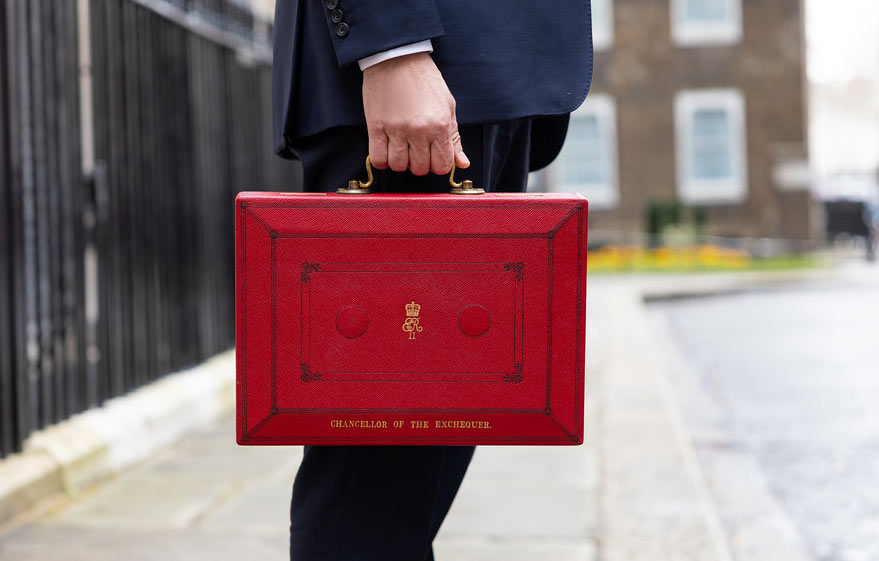
The latest Budget didn’t deliver many big shocks on tax rates, but the decisions made will have a significant impact over the next few years. The biggest issue isn’t a noticeable headline change; it’s the long-term freezing of tax allowances and thresholds. While everything appears the same on paper, the reality is that the Government has quietly shifted more of the tax burden onto individuals simply by allowing inflation and wage growth to do the work for them.
This is especially important for anyone earning around or above £100,000, so here’s a clearer look at what’s happening and how we can help you plan around it.
1. Frozen Tax Bands: The Quiet Tax Rise Hitting Everyone
Income Tax and National Insurance thresholds will now remain frozen until 2031. This means that as wages rise—even to keep pace with inflation—an increasing portion of income will be taxed at higher rates. It’s a slow and subtle form of taxation known as “fiscal drag,” and it will affect millions of people across the UK.
The group most impacted will be those earning above £100,000. This is because the band between £100,000 and £125,140 triggers the tapering away of the Personal Allowance. For every £2 earned over £100,000, £1 of the Personal Allowance is lost. Once you factor this in, the effective tax rate in this band is around 60%. With thresholds frozen for another 6 years, many individuals will fall into this category purely due to natural salary progression rather than lifestyle changes. In other words, people will be taxed as higher earners without actually feeling like higher earners.
2. The Salary Sacrifice Cap: A Significant Change for High Earners
One of the most practical ways for high earners to avoid the 60% effective tax band has always been to make use of pension salary sacrifice. By increasing pension contributions, many individuals kept their earnings below £100,000, retained some or all of their Personal Allowance, and saved on National Insurance contributions.
However, from April 2029, this approach becomes less effective due to the introduction of a £2,000 cap on the amount of pension salary sacrifice that can be exempt from National Insurance. Contributions above this cap can still be made, but they will no longer generate NI savings. This is a considerable shift for higher earners who have used this approach for years to manage their taxes efficiently. Without careful planning, it will now be much easier to fall back into the 60% tax band and lose the Personal Allowance entirely.
3. Private Pensions Become Increasingly Important
With salary sacrifice losing much of its power, personal pension contributions and SIPPs will take on a more central role in tax planning for clients earning over £100,000. The opportunity to use personal pension contributions to manage adjusted net income becomes far more critical, particularly for clients who want to avoid drifting into the additional rate band or losing their Personal Allowance.
Although workplace pensions will still be an essential part of retirement planning, they will no longer be the only tool for managing income around the £100,000 threshold. Instead, we will place greater emphasis on structuring private pension contributions to restore efficiency and ensure clients aren’t paying more tax than necessary. This is the kind of planning that benefits from individual advice, because the best approach will vary from one person to another depending on income, allowances, and long-term goals.
4. VCTs Remain a Strong Opportunity — But Only for a Limited Time
One of the more positive announcements in the Budget relates to Venture Capital Trusts. Although the income tax relief for VCT investments will fall from 30% to 20%, this change will not take effect until April 2026. This means that the current tax year remains a highly valuable opportunity for clients who can benefit from the higher level of relief.
The 30% relief makes a significant difference, particularly for high earners looking for tax-efficient investment options. For example, a £20,000 investment this year can still generate a £6,000 reduction in income tax, a benefit that won’t be available after the rule change. VCTs can work particularly well alongside pension planning, especially for clients who are affected by frozen thresholds, creeping into the additional rate band, or already making large pension contributions. As always, VCTs carry higher levels of risk and should only be considered by clients for whom they are appropriate, but the current tax year offers a genuine “last chance” to make use of the more generous relief.
Final Thoughts
This Budget looks relatively calm on the surface. Still, the combination of frozen thresholds, a highly punitive effective tax rate for those just over £100,000, and the incoming limit on salary sacrifice makes this one of the more significant tax changes in recent years. The effects won’t be immediate, but they will be meaningful and long-lasting, and many people will feel the pressure over time without realising why.
Good planning will make all the difference. We will be reviewing these changes with every client who may be affected, but if you would like to review your income, pensions, or investment strategy now—especially if you are approaching or exceeding £100,000 in income—feel free to get in touch. If you are considering VCTs this year while relief remains at 30%, I’m also happy to help you assess whether they are suitable for your situation.
The information provided in this Budget Update is for informational purposes only and should not be considered personalised investment advice. Investing in financial markets involves inherent risks, and past performance does not indicate future results. The content does not constitute a recommendation or endorsement of specific investment decisions. Please speak to your adviser for personalised advice